- Setting expectations
- Benefit 1 — Denser macular pigment
- Benefit 2 — Slower progression in intermediate AMD
- Benefit 3 — Less screen fatigue
- Benefit 4 — Better low-light vision
- A realistic timeline
- Who is most likely to notice a difference
- Things that can masquerade as results
- When to stop expecting results
- Our summary
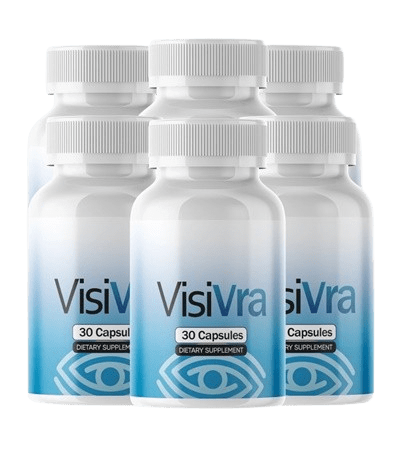
The 6-bottle bundle works out at $49 a bottle; every bundle carries a 60-day refund window that starts on your purchase date.
See Visivra OfferPaid linkSetting expectations
Two facts frame everything on this page. First, no study has tested Visivra itself — everything here is inferred from its ingredients. Second, the doses aren’t published, so we can’t be sure Visivra matches the amounts used in research. With that in mind, the most likely outcomes are subtle, gradual and different from person to person.
Benefit 1 — Denser macular pigment
Likelihood: reasonable, if doses are adequate.
Lutein and zeaxanthin raise macular pigment density. Trials summarised by the Linus Pauling Institute used 6–20 mg/day lutein and saw improvements in visual acuity and contrast sensitivity. You won’t feel macular pigment change; you might notice slightly better comfort in glare or contrast over months.
Benefit 2 — Slower progression in intermediate AMD
Likelihood: relevant only to people already diagnosed, at AREDS2 doses.
The AREDS2 formula reduced progression from intermediate to advanced AMD by about 25%. That’s significant — but it applies to a specific diagnosis and a specific formula. People with healthy eyes or early AMD didn’t benefit.
The seller offers 2-, 3- and 6-bottle bundles. If you take prescription medicine, show the label to your pharmacist first.
See Visivra OfferPaid linkBenefit 3 — Less screen fatigue
Likelihood: possible for some people over 40.
In a 2023 randomised trial, 9 mg/day astaxanthin for six weeks helped preserve visual acuity after screen work in participants aged 40+, with no effect in those under 40. The study was small and funded by the supplier (NutraIngredients). Screen breaks, blinking and correct glasses remain the main fixes.
Benefit 4 — Better low-light vision
Likelihood: only if you’re low in vitamin A.
Vitamin A deficiency causes night blindness; topping it up restores rhodopsin. If you already eat enough vitamin A, extra won’t help. Bilberry’s reputation for night vision isn’t supported by the best trials, according to NCCIH.
A realistic timeline
| Time | What may be happening | What you might notice |
|---|---|---|
| Week 1–2 | Nutrient levels in blood start to rise | Usually nothing yet |
| Week 3–6 | Macular pigment slowly builds | Possibly subtle comfort changes, if any |
| Week 6 | Length of the astaxanthin screen-work trial | Some people over 40 may notice less end-of-day strain |
| Day 45 | Your decision point | Keep or return within the 60-day window |
| Month 3–6 | Macular pigment continues to build | Changes, if any, are gradual |
Who is most likely to notice a difference
- People who eat very few leafy greens, eggs and colourful vegetables
- Adults over 40 with long daily screen time
- People whose diets are low in vitamin A or zinc
Least likely: people with an already rich diet, younger screen users, and anyone whose symptoms come from an outdated prescription, dry eye disease or an eye condition.
Things that can masquerade as results
It’s easy to credit a supplement for changes caused by something else. Common confounders: a holiday away from screens, a new pair of glasses, a change of season (humidity affects dry eyes), better sleep, or simply paying more attention to your eyes. That’s why our dosage guide suggests weekly scoring and changing one thing at a time.
When to stop expecting results
If you’ve taken Visivra consistently with food for about six weeks and your symptom scores haven’t moved, it’s reasonable to conclude it isn’t doing much for you — especially since the refund window is 60 days from purchase. At that point, an eye exam is a better next step than a bigger bundle.
Our summary
| Benefit | Grade | Main ingredient |
|---|---|---|
| Macular pigment support | A | Lutein, zeaxanthin |
| Intermediate AMD (with right doses) | B | Lutein, zeaxanthin, zinc |
| Screen fatigue (40+) | C | Astaxanthin |
| Night vision (if deficient) | B | Vitamin A |
| Night vision (from bilberry) | D | Bilberry |
Realistic expectation: a possible, modest contribution to eye comfort and long-term macular support — not a visible transformation.
Orders go through the seller’s BuyGoods checkout. Check the final total and screenshot it before you confirm.
See Visivra OfferPaid linkCommon questions
How soon will I see results with Visivra?
Most ingredient studies ran six weeks or longer. Many people notice nothing obvious; changes, if any, are gradual.
Will Visivra improve my eyesight score?
It won’t change your glasses prescription. Some lutein trials showed small improvements in contrast sensitivity and visual acuity.
Why didn’t Visivra work for me?
Possible reasons include low doses, an already nutrient-rich diet, or symptoms with another cause such as dry eye or an outdated prescription.
Do results last after stopping?
Macular pigment tends to fall slowly if intake drops. A diet rich in leafy greens helps maintain it.
Are there before-and-after photos?
Eye nutrition changes aren’t visible in photos. Treat before-and-after images in ads with suspicion.
Sources
- Linus Pauling Institute, Oregon State University — Carotenoids
- National Eye Institute — Age-Related Eye Disease Studies (AREDS/AREDS2): major findings
- Sekikawa T. et al. Effects of diet containing astaxanthin on visual function in healthy individuals: a randomized, double-blind, placebo-controlled, parallel study. J Clin Biochem Nutr. 2023;72(1):74–81
- NutraIngredients — Astaxanthin supplements may reduce visual stress from screens: RCT (study funding details)
- NCCIH — Bilberry: Usefulness and Safety
- NIH Office of Dietary Supplements — Vitamin A and Carotenoids: Health Professional Fact Sheet
Each reference was opened and read when this page was last updated (October 18, 2026).
*The Food and Drug Administration has not evaluated these statements. Visivra is not intended to diagnose, treat, cure, or prevent any disease. We publish general information, not personal medical advice: please check with your doctor, pharmacist or eye-care professional before starting a supplement — particularly during pregnancy or breastfeeding, alongside medication, or with an existing eye condition.