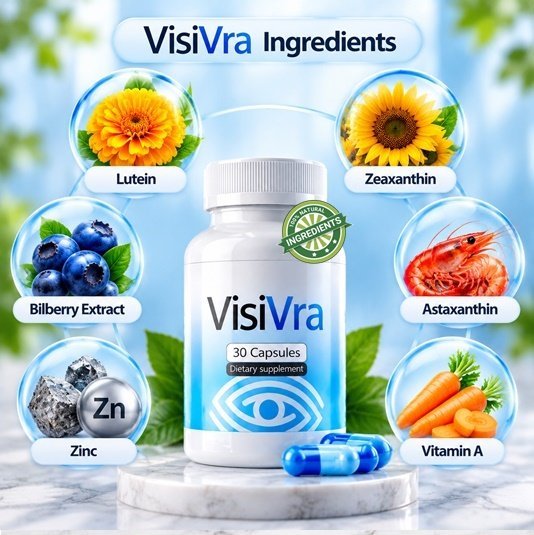
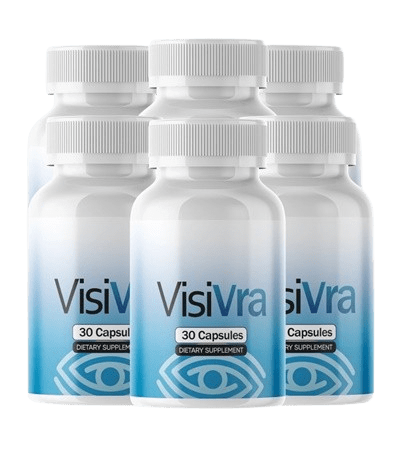
The 6-bottle bundle works out at $49 a bottle; every bundle carries a 60-day refund window that starts on your purchase date.
See Visivra OfferPaid linkQuick profile
| Profile | |
|---|---|
| Type | Essential trace mineral |
| Job in the eye | Helps transport and use vitamin A; antioxidant enzymes |
| Daily need (adults) | 8 mg women, 11 mg men |
| Upper limit | 40 mg/day, all sources |
| AREDS dose | 80 mg/day — high-risk AMD only |
| Visivra dose | Not published |
| Grade | B — context-specific |
Why your eyes need zinc
The retina and the layer beneath it hold some of the highest zinc concentrations in the body. Zinc helps release vitamin A from the liver, carry it to the eye and convert it into the form rods use to build rhodopsin. It’s also a component of antioxidant enzymes that protect retinal cells. Low zinc can therefore show up as poor night vision.
Daily needs
The NIH Office of Dietary Supplements sets the adult RDA at 8 mg (women) and 11 mg (men). Good food sources include oysters (the richest by far), red meat, poultry, seafood, beans, nuts, whole grains and dairy. Zinc from animal foods is absorbed better than from plants.
The seller offers 2-, 3- and 6-bottle bundles. If you take prescription medicine, show the label to your pharmacist first.
See Visivra OfferPaid linkEvidence check
- AREDS: a formula containing 80 mg zinc with copper, vitamins C and E and beta-carotene reduced the risk of advanced AMD by about 25% over five years in high-risk adults.
- AREDS2: 25 mg zinc seemed to work similarly, but the NIH describes this as preliminary; the National Eye Institute still recommends the 80 mg formula.
- Observational studies link higher zinc intake with lower AMD risk.
- Healthy eyes: no good evidence that extra zinc improves normal vision.
The upper limit — and why it matters
| Intake | What it means |
|---|---|
| 8–11 mg/day | Enough for most adults |
| 40 mg/day | Adult upper limit (all sources) |
| ≥50 mg/day for weeks | May lower copper, weaken immunity, reduce HDL cholesterol |
| 80 mg/day | AREDS dose — only under medical guidance |
AREDS included 2 mg copper to offset its high zinc. Visivra doesn’t list copper. 11mg/capsule
Side effects
Too much zinc can cause nausea, vomiting, stomach cramps, headache, dizziness and loss of appetite. Long-term excess can cause copper deficiency, which may lead to anaemia and nerve problems. Taking zinc with food reduces stomach upset.
Medicine interactions
From the NIH fact sheet:
- Quinolone and tetracycline antibiotics — take the antibiotic 2 hours before or 4–6 hours after zinc.
- Penicillamine — separate by at least 1 hour.
- Thiazide diuretics — increase zinc loss in urine.
- Iron supplements (25 mg+) — can reduce zinc absorption if taken together.
On any of these? Check with your pharmacist before adding Visivra.
Zinc’s place in Visivra
Zinc supports the vitamin A in the formula and links Visivra to the AREDS research. A dose near the RDA would be sensible for general use; a high dose without copper would be a concern over the long term.
Forms of zinc on supplement labels
Zinc comes in several chemical forms — oxide, gluconate, citrate, sulfate, picolinate and others. The NIH notes that the percentage of elemental zinc differs between forms, and the Supplement Facts panel should list the elemental amount. AREDS used zinc oxide. When comparing Visivra with another product, compare the elemental zinc figure, not the weight of the compound.
Hidden zinc in everyday products
It’s easy to exceed the upper limit without realising: cold lozenges, immune blends, multivitamins and some denture adhesives all contain zinc. The NIH describes copper deficiency and nerve problems in people who used large amounts of zinc-containing denture cream over years. If you use any of these, include them in your total.
Verdict
Grade B. Essential for the retina and backed by AREDS in intermediate AMD. For healthy eyes, the goal is enough — not more. Keep total zinc under 40 mg/day unless your doctor advises otherwise.*
Orders go through the seller’s BuyGoods checkout. Check the final total and screenshot it before you confirm.
See Visivra OfferPaid linkCommon questions
Is zinc good for eyesight?
It’s essential for retinal function and vitamin A use. Extra zinc doesn’t improve vision if you already get enough.
How much zinc is too much?
The adult upper limit is 40 mg/day from all sources.
Can zinc upset my stomach?
Yes, especially on an empty stomach. Take it with food.
Why did AREDS add copper?
High zinc intake can lower copper levels; AREDS added 2 mg copper to prevent that.
How much zinc is in Visivra?
Not published; check the label.
Sources
- NIH Office of Dietary Supplements — Zinc: Health Professional Fact Sheet
- National Eye Institute — Age-Related Eye Disease Studies (AREDS/AREDS2): major findings
Each reference was opened and read when this page was last updated (October 18, 2026).
*The Food and Drug Administration has not evaluated these statements. Visivra is not intended to diagnose, treat, cure, or prevent any disease. We publish general information, not personal medical advice: please check with your doctor, pharmacist or eye-care professional before starting a supplement — particularly during pregnancy or breastfeeding, alongside medication, or with an existing eye condition.