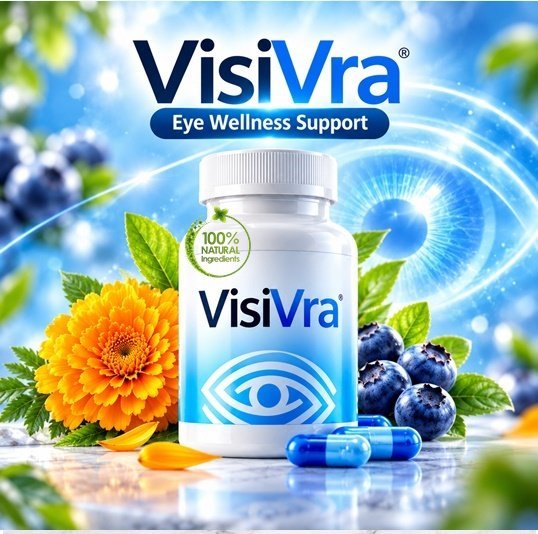
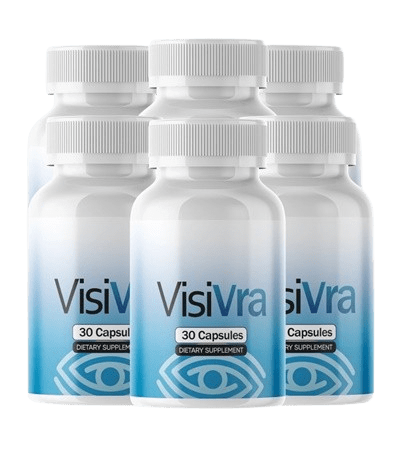
The 6-bottle bundle works out at $49 a bottle; every bundle carries a 60-day refund window that starts on your purchase date.
See Visivra OfferPaid linkAlternative 1 — An AREDS2-type formula
Best for: people diagnosed with intermediate AMD, on an eye doctor’s advice.
The National Eye Institute’s AREDS2 recipe is 500 mg vitamin C, 400 IU vitamin E, 80 mg zinc, 2 mg copper, 10 mg lutein and 2 mg zeaxanthin. It reduced progression to advanced AMD by about 25%. Many brands sell it with doses printed clearly.
Versus Visivra: much stronger evidence, but intended for a diagnosed condition. Its 80 mg zinc is double the general upper limit, so it isn’t a casual everyday supplement for healthy eyes.
Alternative 2 — A plain lutein + zeaxanthin supplement
Best for: healthy adults who want the best-studied eye nutrients only.
These typically show 10–20 mg lutein and 2–4 mg zeaxanthin on the label. The Linus Pauling Institute summarises trials using 6–20 mg/day lutein that improved visual acuity and contrast sensitivity.
Versus Visivra: fewer ingredients, but transparent doses and usually a lower price. Visivra adds astaxanthin, bilberry, zinc and vitamin A.
Alternative 3 — A daily multivitamin
Best for: people whose diet is generally poor.
A multivitamin covers vitamin A and zinc along with many other nutrients, though usually little lutein. It’s a broad safety net rather than an eye-specific product.
Versus Visivra: broader, often cheaper, less targeted. Don’t take both without adding up zinc and vitamin A.
The seller offers 2-, 3- and 6-bottle bundles. If you take prescription medicine, show the label to your pharmacist first.
See Visivra OfferPaid linkAlternative 4 — Eating for your eyes
Best for: almost everyone.
One cup of cooked frozen spinach supplies about 29.8 mg lutein + zeaxanthin (Linus Pauling Institute) — more than most capsules. Eggs, corn and peppers add zeaxanthin; carrots and sweet potatoes add beta-carotene; oysters, meat and beans add zinc. The CDC recommends leafy greens and omega-3-rich fish for eye health.
Versus Visivra: cheaper and backed by decades of observational data, but harder to do consistently.
Alternative 5 — Screen and lifestyle habits
Best for: anyone whose main complaint is tired screen eyes.
- Every 20 minutes, look about 20 feet away for 20 seconds (CDC).
- Keep the screen about 25 inches away, slightly below eye level (AAO).
- Blink deliberately; use artificial tears if dry.
- Get your prescription checked — an outdated one is a common hidden cause of strain.
Versus Visivra: free, directly targets the causes of digital eye strain.
Side-by-side comparison
| Option | Evidence | Dose transparency | Typical fit |
|---|---|---|---|
| Visivra | Ingredient-level; none on product | Low (not on sales page) | Healthy adults wanting a compact eye formula |
| AREDS2-type | Strong, for intermediate AMD | High | Diagnosed AMD |
| Lutein + zeaxanthin only | Good for macular pigment | High | Healthy adults |
| Multivitamin | General nutrition | High | Poor overall diet |
| Diet | Strong observational | — | Everyone |
| Screen habits | Strong for comfort | — | Screen users |
What Visivra costs compared
Try It
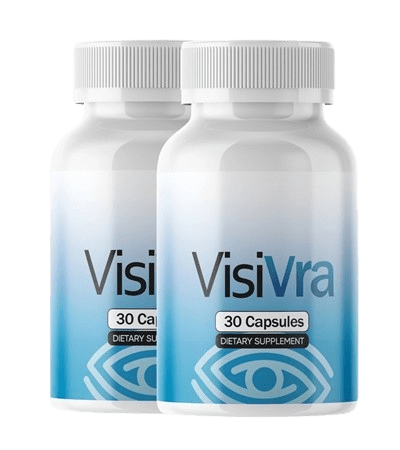
- Total $158
- About $2.63 per day
- Shipping charged at checkout
- 60-day refund window
Six-Month Supply
- Total $294
- About $1.63 per day
- US shipping included
- 60-day refund window
- Cheapest per day
Three-Month Supply
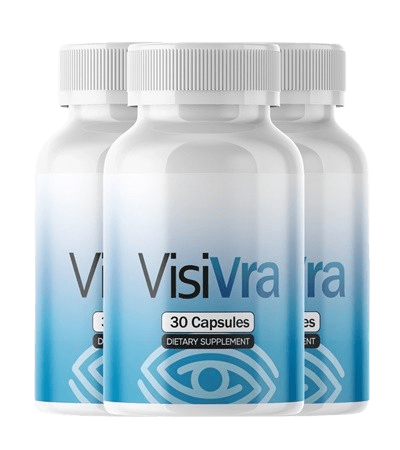
- Total $177
- About $1.97 per day
- US shipping included
- 60-day refund window
Prices as listed on the seller’s checkout page on October 18, 2026. Prices can change — always confirm the total at checkout. Buttons are paid links.
At $1.63–$2.63 a day, Visivra sits around the middle of the eye-supplement market. Many plain lutein products are cheaper per day; food is cheaper still.
How to choose
- Any eye diagnosis? Let your eye doctor choose.
- Main problem screen strain? Start with habits for two weeks.
- Diet low in greens? Improve meals first; consider a lutein product or Visivra to fill the gap.
- Already on supplements? Check overlaps before adding anything.
- Choosing Visivra? Ask for the label doses and compare them with the research amounts above.
Orders go through the seller’s BuyGoods checkout. Check the final total and screenshot it before you confirm.
See Visivra OfferPaid linkCommon questions
What’s the best alternative to Visivra?
For diagnosed intermediate AMD, an AREDS2-type formula. For healthy eyes, a clearly labelled lutein + zeaxanthin product or a diet rich in leafy greens.
Is Visivra better than an AREDS2 product?
They serve different needs. AREDS2-type formulas have trial evidence for intermediate AMD; Visivra is marketed for general support.
Can food replace Visivra?
Often yes — leafy greens, eggs and colourful vegetables provide the same key nutrients.
Are blue-light glasses an alternative?
The American Academy of Ophthalmology doesn’t recommend them for screen use; breaks and blinking help more.
Can I take Visivra and AREDS2 together?
Not without medical advice — both contain zinc, and AREDS2 alone already exceeds the general upper limit.
Sources
- National Eye Institute — Age-Related Eye Disease Studies (AREDS/AREDS2): major findings
- Linus Pauling Institute, Oregon State University — Carotenoids
- CDC — Preventing Vision Loss
- American Academy of Ophthalmology — Computers, Digital Devices, and Eye Strain
- American Academy of Ophthalmology — Should You Be Worried About Blue Light?
- NIH Office of Dietary Supplements — Zinc: Health Professional Fact Sheet
Each reference was opened and read when this page was last updated (October 18, 2026).
*The Food and Drug Administration has not evaluated these statements. Visivra is not intended to diagnose, treat, cure, or prevent any disease. We publish general information, not personal medical advice: please check with your doctor, pharmacist or eye-care professional before starting a supplement — particularly during pregnancy or breastfeeding, alongside medication, or with an existing eye condition.